Weekly Blog # 33.
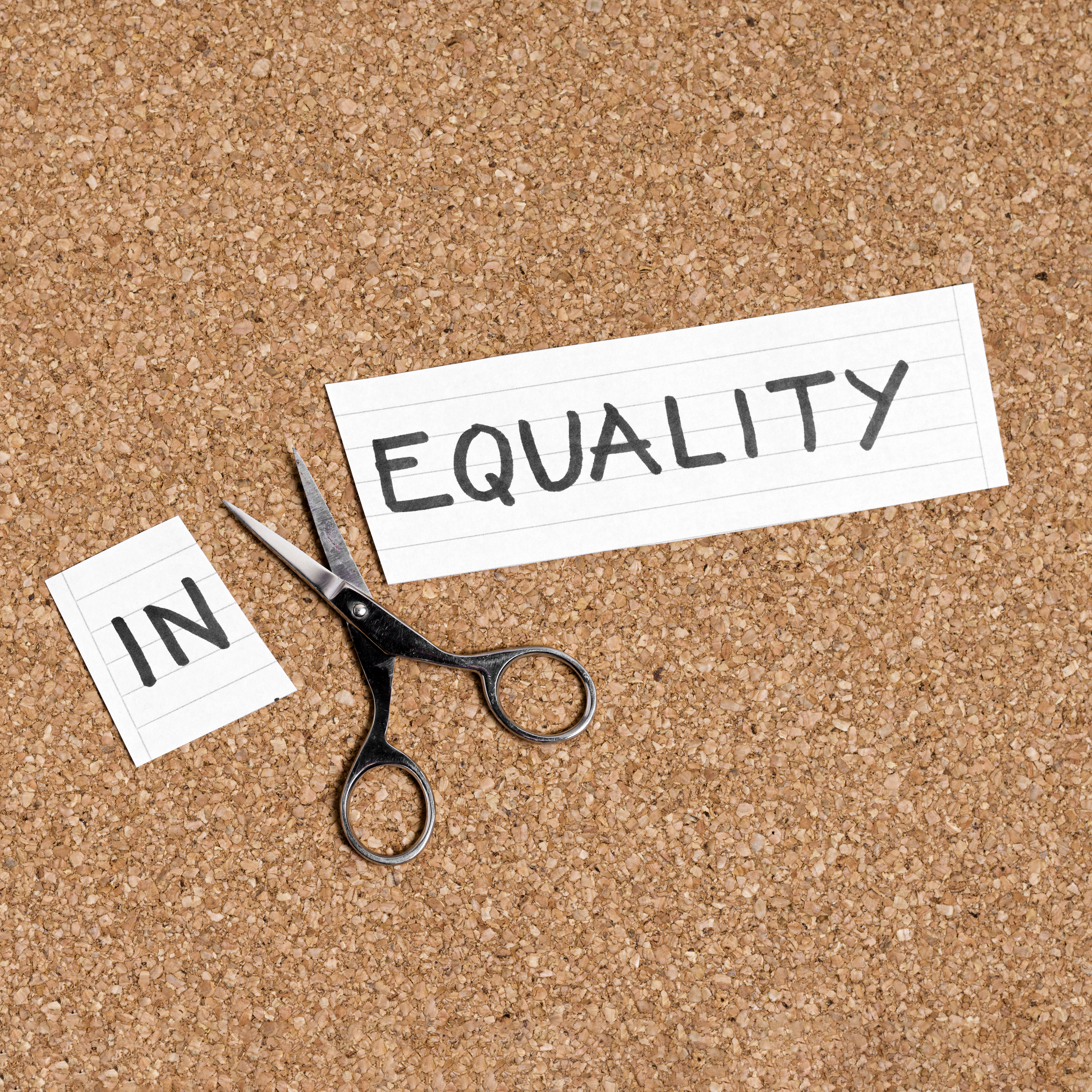
₹166 Lakh Crore in 1688 Hands – Can ₹7 Lakh Crore A Year Change India’s Future?
Between 2019 and 2025, India has witnessed an extraordinary surge in wealth at the very top. Individually, even figures like Gautam Adani saw their wealth rise by an astonishing 625%. Entrepreneurs are valuable assets to our society, creating wealth that fuels growth and investment. But the question is – how broad-based is this growth?
This is not about individuals, but about understanding broader structural trends in wealth distribution.
These insights come from the Wealth Tracker India 2026 report, which clearly shows the scale of wealth concentration and income inequality in the country.
The numbers are striking:
●The top 1% control over 40% of total wealth.
●The top 10% account for nearly 60% of national income.
●Meanwhile, the bottom 50% receive just 15%.
This divergence is not just statistical – it reflects a structural imbalance in how growth is distributed.
The report further highlights that:
●The number of individuals with wealth above ₹1000 crore increased by 77% between 2019 and 2025.
●Their combined wealth rose by 227% during the same period.
●By 2025, just 1688 individuals held ₹166 lakh crore, nearly half of India’s GDP.
●Even during the lock down, billionaire wealth grew by 35%.
There are also deeper social dimensions. Nearly 90% of billionaire wealth is held by upper castes, pointing toward entrenched inequalities beyond just income.
At the same time, the financial system tells another story – banks have written off ₹19.6 lakh crore in loans over the past 11 years, raising important questions about capital allocation and accountability.
A Policy Possibility
According to the Wealth Tracker India 2026 report:
●A 2% wealth tax on individuals above ₹1000 crore could generate ₹3.32 lakh crore annually.
●A progressive wealth tax ( 2% – 6%) could raise about ₹4.67 lakh crore.
●An inheritance tax could add another ₹2.77 lakh crore per year.
Together, these measures could generate
approximately ₹7.44 lakh crore annually – close to the ₹7 lakh crore figure we highlighted earlier.
Why This Matters.
This is not just about redistribution – it’s about economic expansion.
If deployed effectively into:
●Infrastructure
●Healthcare
●Education
●Rural Development
…..the multiplier effect could be enormous.
More demand > more production > more jobs > more income > more growth.
And importantly, this cycle does not exclude the wealthy – it strengthens the very system that sustains their wealth.
The Bigger Question.
India is growing. But, who is that growth for?
If even a fraction of concentrated wealth is reinvested into the broader economy, it could unlock a new phase of inclusive growth – one that is not just fast, but also fair.
Happy to hear your thoughts — feel free to connect with me on LinkedIn.
#Inequality #EconomicPolicy #SocialWelfare #InclusiveGrowth