Personal Finance Insight #23
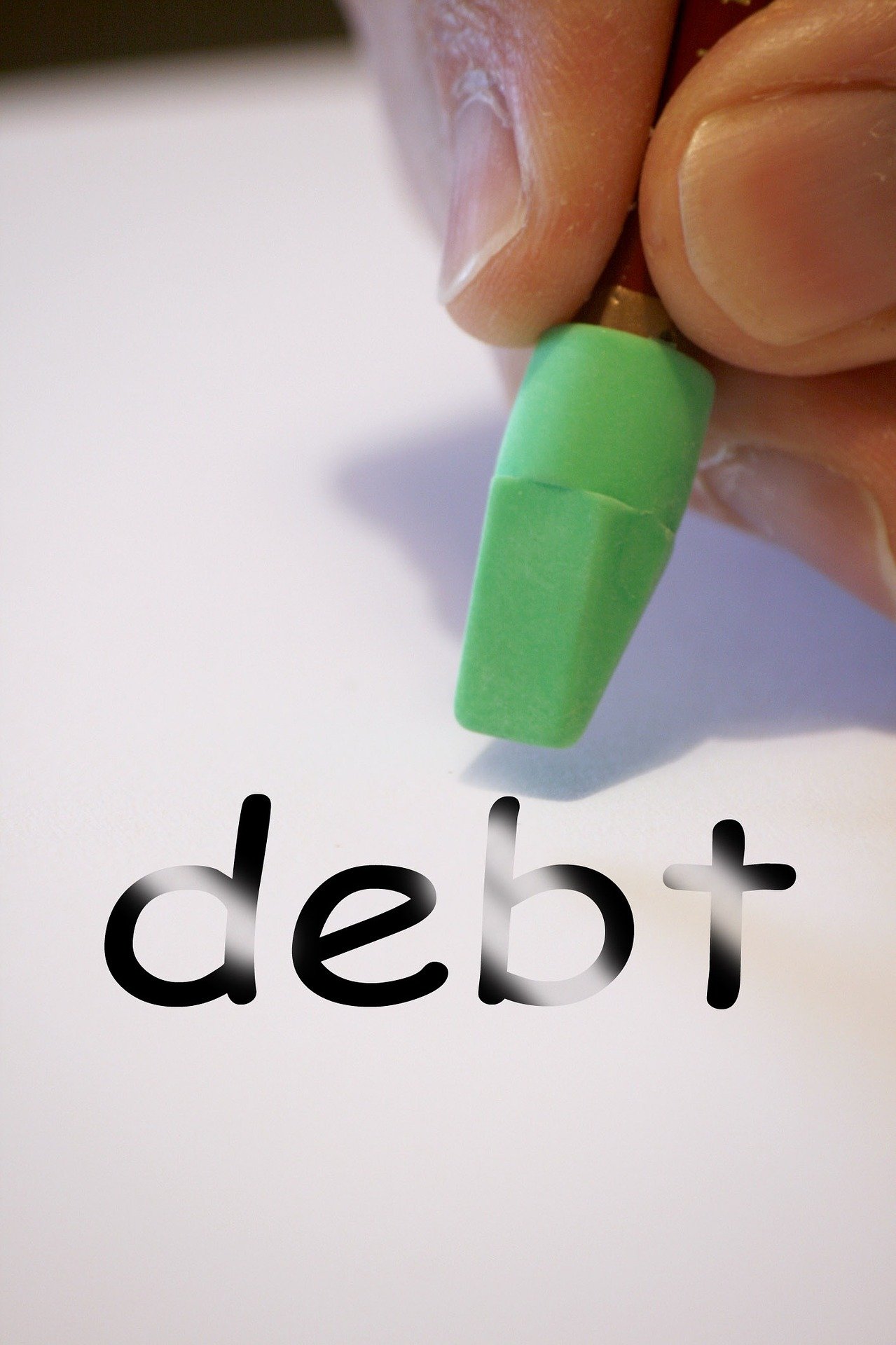
Your first investment return is the interest you stop paying.
According to the latest Financial Stability Report of the Reserve Bank of India (September 2025), over 55% of Indian household debt is now non-housing related. Even more concerning – related debt has nearly tripled in just five years.
We are increasingly living on borrowed future income. In this context, please remember, I’m not against credit; I’m against unproductive debt.
Credit cards, personal loans, consumer durable EMIs and BNPL schemes create immediate comfort but long-term financial drag. High-interest debt silently erodes wealth. Every percentage of an expensive loan you eliminate is a guaranteed, risk-free return you give yourself.
Before chasing portfolio strategies or debating asset allocation models, focus on stopping unnecessary cash outflows. If a loan is not building an asset that generates future income or appreciates meaningfully, it is likely weakening your long-term foundation.
Wealth creation is boring. It demands discipline, not dashboard excitement. No constant churning. No flashy tactics. Just consistent asset building and controlled liabilities.
The BNPL mindset is particularly visible among millennials and Gen Z. Easy credit can make spending look healthy, but without financial awareness, it can create future stress. Rising stress, lower savings resilience, and reduced workplace productivity can impact your life.
Credit is easily sold. Financial discipline is rarely marketed.
So, real financial growth begins not with higher returns, but reduced leakage.
Build assets. Reduce high-cost debt. Strengthen your future cash flow before spending tomorrow’s income today. The easiest way to grow is to reduce financial leakage.
Stay tuned — and stay debt-smart.
Disclaimer: The information provided in the blog is for educational and informational purposes only and should not be construed as financial advice. Readers are encouraged to consult a qualified financial advisor before making any financial decisions. All views expressed are personal.