Personal Finance Insight #20
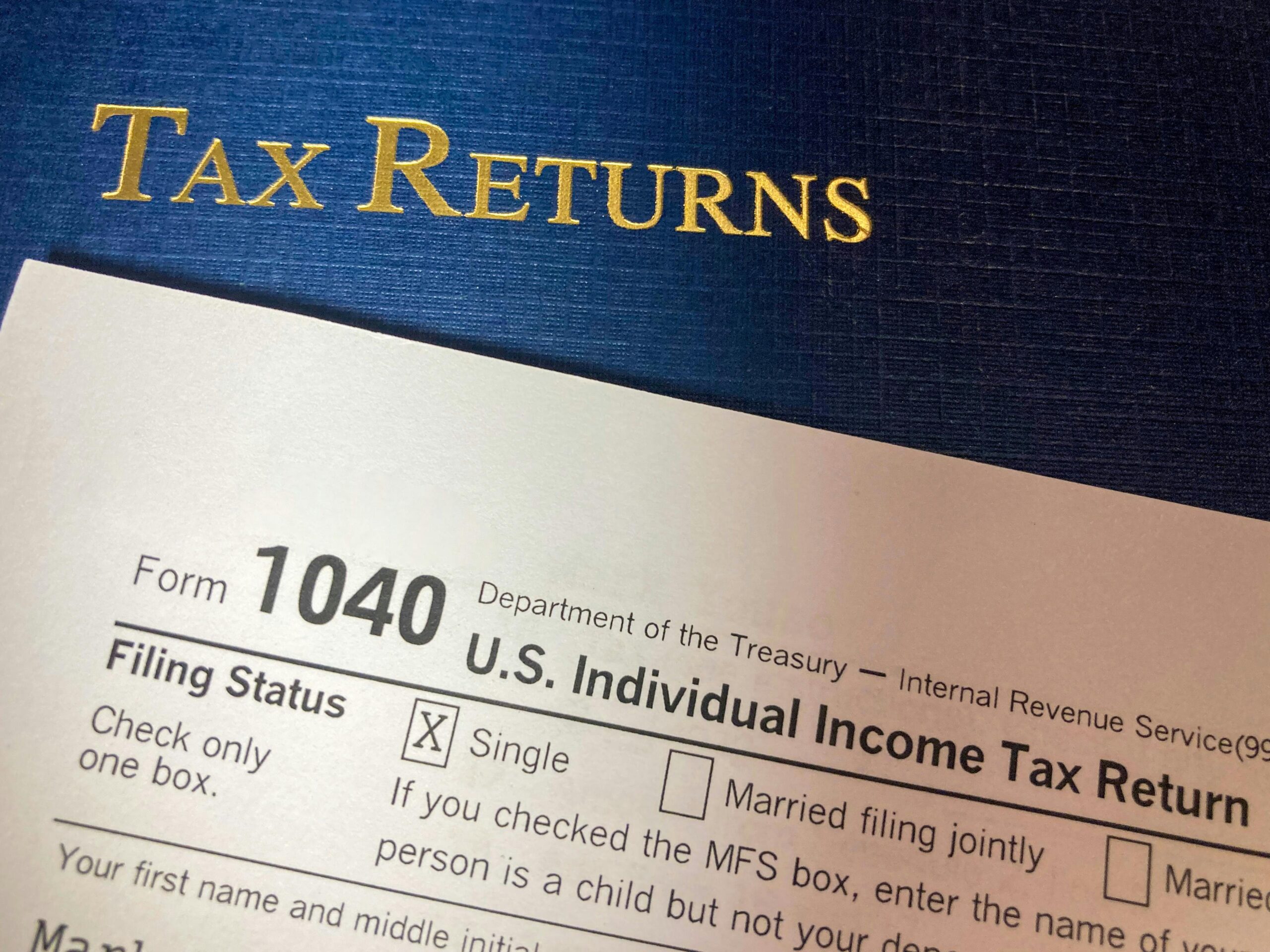
The new tax regime promises simplicity – lower rates, fewer deductions, less paperwork. For many taxpayers who don’t fall into higher tax brackets, it appears attractive on the surface. But beneath this simplicity lies a subtle, long-term concern that deserves attention: the gradual erosion of savings discipline.
Under the new tax regime, the absence of section 80C benefits quietly weakens long-term financial discipline. Earlier, instruments like PPF, ELSS and life insurance created forced savings – money that was locked in, protected from impulse spending, and aligned with long-term goals such as retirement, children’s education, or financial security. Without this nudge, many taxpayers may choose higher short-term consumption over systematic investing. While the new regime offers flexibility and simplicity, it also demands strong self-discipline. For a large section of people, the loss of forced savings can gradually derail long-term financial goals.
Since, this new regime of income tax removes the compulsion to invest under 80C, and many mistake this as financial freedom – the freedom to save, invest or spend at will. But that’s a dangerous illusion. What feels like freedom is often a quiet escape. Without forced savings, money slips into consumption, not creation. True financial freedom isn’t the absence of discipline; it’s the presence of intent. When you stop saving because you are “free”, you’re not moving forward – you’re slowly drifting in the opposite direction away from long-term security & independence i.e., financial freedom.
In conclusion, the new tax regime shifts responsibility from policy to the individual. So, as a responsible financial planner or investor, you have to consciously replace 80C driven investments with disciplined alternatives. Simultaneously, you must give up a little comfort today so that you don’t face financial insecurity tomorrow.
So, stay with me, and let’s build a rock-solid financial future together.
Disclaimer: The information provided in the blog is for educational and informational purposes only and should not be construed as financial advice. Readers are encouraged to consult a qualified financial advisor before making any financial decisions. All views expressed are personal.