Personal Finance Insight #11
As a financial planner, it may sound unusual for me to write a blog on trading. But the reason I’m doing so is simple – my job is to ensure that you don’t fall victim to reckless day trading and end up making holes in your hard-earned wealth.
Disciplined and well-informed trading is absolutely fine for those who take the stock market seriously and treat it as a business. Such traders study companies, sectors, and the economy as a whole, before making decisions. The market is full of opportunities– a smart trader can earn both ways, whether prices move up or down.
So, trading is not a sin or a crime. But remember the famous 90-90-90 rule: 90% of newcomers, without proper knowledge, lose 90% of their capital within the first 90 days.
When I wear the hat of an investor, I rely on numbers and fundamentals. I study valuation ratios, earnings growth, and long-term prospects. At that point l feel, Vishal Mega Mart or Avenue Supermarket ( D-Mart) or even Titan shares seem overvalued, and my logical side tells me to stay away.
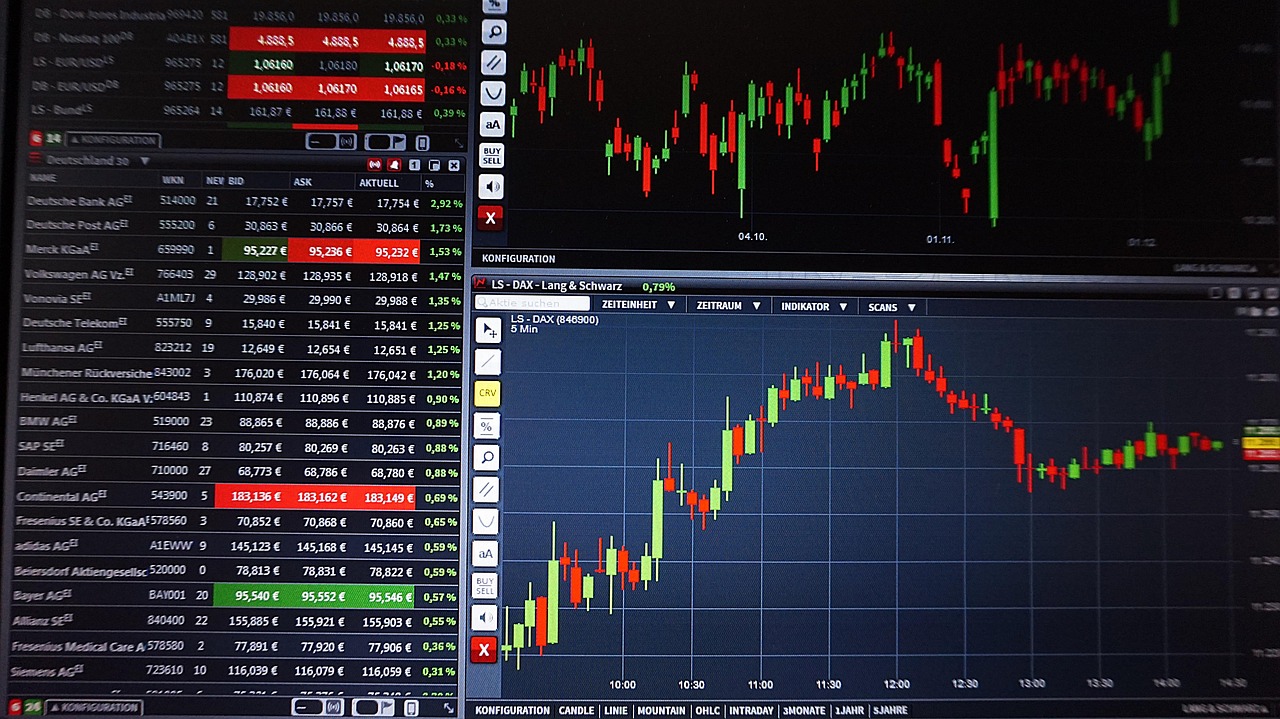
But, when I switch hats and think like a trader, the outlook changes. I stop worrying about valuations and focus on trading volume, price action, and short-term demand. Suddenly, I can sense the momentum that might drive the stock higher in a matter of days. So, I focus on technical analysis through charts.
Trading without logic or learning is nothing but gambling. My intention today is to share a few basic ideas that every aspiring trader should know before they step in.
1.Don’t Trade With Borrowed Money.
Using margin funds is the fastest way to invite disaster. This is the biggest mistake new traders make. It gives them a false sense of power – as if they can control more than they actually won. Always trade with your own money, never borrow money. If your capital isn’t ready, your mindset isn’t either.
Let’s take a simple example.
Suppose your trading capital is ₹1,00,000. Your generous broker offers you 5 times exposure, which means you can trade upto ₹5,00,000.
You decide to buy 500 shares of Company X of ₹1000 each, using the full ₹5 lakh limit.( ₹1 lakh your own + ₹4 lakh borrowed)
Now, imagine the stock falls by 5% the next day – from ₹1000 to ₹950 – and you haven’t placed a stop-loss at say ₹970 or ₹965.
Here’s what happens:
The total value of your holding becomes ₹4,75,000 (500×₹950).
The broker will first recover the ₹4 lakh lent to you by selling 421 shares to get that amount.(421×₹950= ₹399950). (your initial contract gives them the power to sell your stocks without even asking you)
You are left with 79 shares with ₹75000( 79×₹950=₹75050). As a good gesture, the broker will allow ₹50 debit on your account! So, within a day or two, your ₹1 lakh capital reduced to around ₹75000. 5% price changes made an impact of 5 times ie, 25% damage to your capital.
Yes, just forgot to mention that you need to pay interest on your borrowed fund at around 18% per annum. So, your above mentioned debit is more now!
So, that’s the power – and danger – of leverage. It magnifies both profits and losses. Use it only if you truly understand the risk and can afford to bear the down side.
2. Limit Trading Exposure to 10 to 15% of Your Equity Portfolio
If you have ₹10 lakh on your Demat holding, use maximum ₹1.5 lakh for short-term trading. Let the rest stay in quality long-term holdings. This balance allows you to participate in volatility without losing sleep.
A trader lives on adrenaline– eyes glued to the screen. The long- term investor, on the other hand, sips coffee calmly, letting time and compounding do the heavy lifting.
Both love the market, but with different heart rates! Trading can be thrilling, but it’s like walking on a tightrope– one wrong move, and you’re off balance.
That’s why, smart investors limit trading to 10 -15% of their total equity holdings – enough to enjoy the excitement, yet small-enough to protect their long-term wealth from short-term chaos.
3. Stick to a Few Quality Stocks
Avoid chasing unknown names for “quick profits”. Focus on 1 or 2 large, liquid and trusted companies– preferably Nifty constituents like Reliance Industries, ICICI Bank or Infosys. Or, you can choose out of good largecap or midcap stocks like ITC Hotels (from reputed ITC group), Exide Industries or Indraprastha Gas. These have strong fundamentals, tight spreads (difference between bid and ask price), and predictable price behavior.
4. Always Use a Stop Loss – But Give It Breathing Space.
A stop-loss loss is your insurance against major damage. But set it wisely – not too tight. Give the stock some room to move naturally. A long-gap stop loss (a few % points below your entry) protects you without forcing unnecessary exits.
5. Avoid keeping a naked overnight position.
Markets can change directions overnight due to global cues, policy changes, or earnings surprises. If you are holding futures and options, hedge them. Unhedged overnight positions are nothing short of a gamble.
So far, I have not discussed anything about options or futures. In future, of course, I will talk about it and discuss why you must avoid it (unless you are professionally qualified). So, for equity trading it is better to square off your position at the end of the day and enjoy your sleep.
6. Protect Your Profits – Booking Is Not a Sin
When your stock has already given a handsome return, book part of the profit. Even if the stock rises further, you’ll be mentally at peace. Remember, a booked profit is always better than a paper profit.
7. Trade Less, Observe More
You don’t have to trade frequently or everyday to make money. Some of the best trades come after long waiting periods. Remember, even sitting in cash is a valid strategy when no clear set up appears. So, not taking any action itself is the action.
Besides, give small trade at lesser gap while setting your target price.
Ensure your risk reward ratio is favourable. Your success in trading is ultimately measured by the number of triggers– whether it’s your stop-loss being hit or your target being achieved.
Let’s be honest – trading is not everyone’s cup of tea. It demands time, patience, and emotional control. Many people step into trading just because they’ve seen others make quick money, but very few realize the effort and discipline that go beyond consistent success. Besides, trading isn’t for those already tied up with jobs or businesses that need their full focus.
If you’re someone who enjoys studying companies, understanding market trends, and can handle short-term fluctuations without losing sleep, trading might suit you. But if daily price swings make you anxious, it’s better to focus on long-term investing.
You won’t find a single person who hasn’t lost money in the market – I’m no exception. The market spares no one; it’s the best teacher with the most expensive tuition fee.
I’ve had my share of mistakes. But every loss taught me something priceless!
So, when the market tests you next time, don’t curse it. Smile and pay your “tuition fee” – just make sure you don’t repeat the same course again!
There are countless things to learn about the market but the seven points I’ve discussed today are among the most important to protect you in trading.
Stock market success isn’t about predicting prices – it’s about managing behavior. You can’t control the market, but you can control your discipline. Protect your capital first; returns will follow naturally.
As the saying goes, “Ametuers focus on returns, professionals focus on risk “.
If you can learn not to lose, you’ve already won half the battle.
Before I end, let me share this with you – I’ll be traveling out of Mumbai from day-after tomorrow till the 16th. I usually write one blog a week, but there will be a short break this time. I’ll be back with my next post around the 19th.
Till then, wishing you a steady and successful financial journey!
Disclaimer: The information provided in the blog is for educational and informational purposes only and should not be construed as financial advice. Readers are encouraged to consult a qualified financial advisor before making any financial decisions. All views expressed are personal.