Personal Finance Insight #5
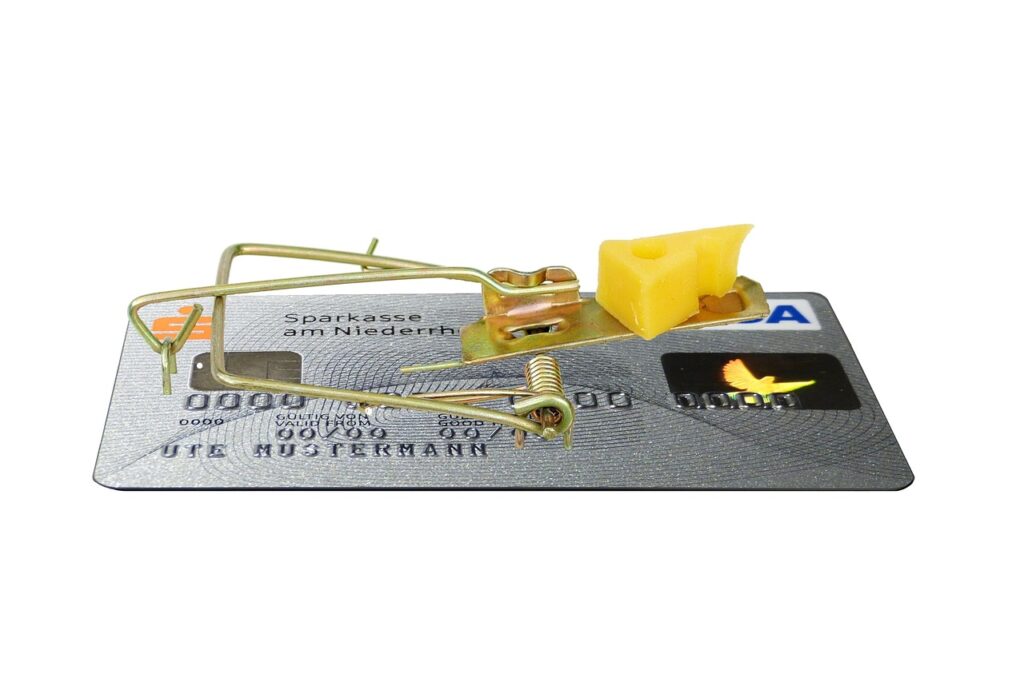
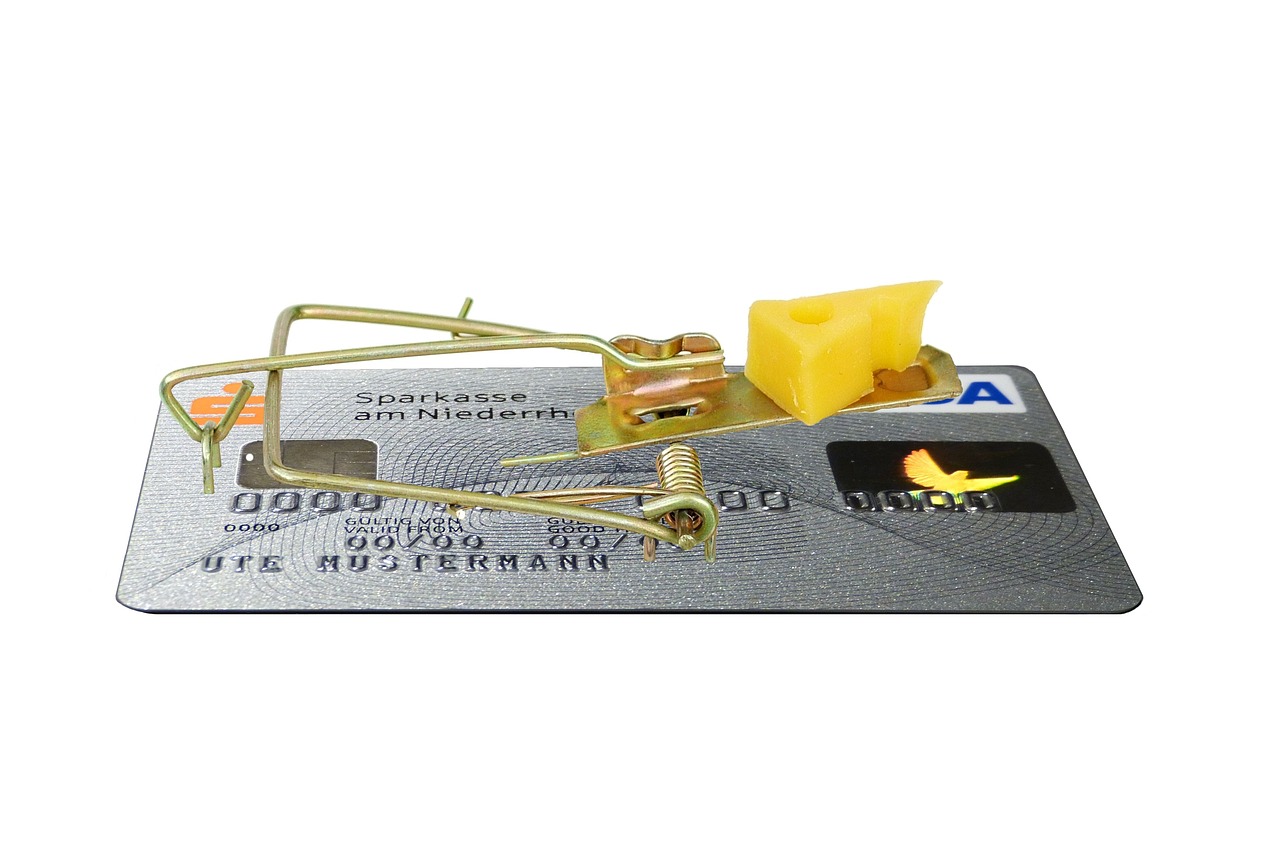
Credit Card : The Dark Side of Plastic Money
In my last post, I talked about setting financial goals – the road-map that helps you save, invest and plan for a secure future. But even with the best plans, there are pitfalls that can silently derail your progress. One of the most common traps? Credit cards.
Today, let’s take a closer look at how the convenience of swiping a plastic card can quietly eat into your savings, stress your mind and make your carefully planned financial goals slip away.
The credit card has a feature where you can carry unpaid balances into the following month by paying a small part of your invoice amount. Many credit card users accept it as if it is an advantage.
Why paying Only the Minimum on Your Credit Card is a Trap or a Dangerous Mistake
Let’s take a real example. Suppose your credit card bill is ₹1,00,000. You decide to pay only the minimum due @5% every month, thinking you are safe because you avoided default. But here’s the reality:
- Your bank charges @3% interest per month ( 36% per year) on the unpaid balance.
- Even though you pay ₹5000 or so each month, most of it goes into interest.
- The balance reduces very slowly, and interest keeps piling up.
Let’s look at it, closely:
Total Due : 1,00,000
Less: Paid 5% : 5,000
————
Carried forward : 95,000
Interest @3% on 95k : 2,850
———-
Due : 97,850
Next month Statement:
Less: Paid 5% : 4,892.5
———–
Due: 92,957.5
Add: Interest @3% : 2,788.72
————–
Balance Due : 95,746.22
—————–
So, you paid :
₹5,000+ ₹4,892.50 = ₹9892.50
But your Due came down from ₹1,00,000 to ₹95,746 only.
Probably, you were under the impression that I have paid around ₹10,000, so the balance should be round about ₹90,000.
But, it is ₹95,746.
The balance reduces very slowly, and interest keeps piling up.
If you keep paying like this, as I showed with the example above,
- It will take you nearly 44 years (530 months) to close the ₹1,00,000
- You will actually end up paying ₹2,32,500 in total.
So, you are paying almost two and half times the original amount. And that’s not even the worst part. Some credit cards charge as high as 3.5% per month which makes the damage even more brutal.
What if you Miss Even The Minimum Due?
Paying only the minimum is already costly. But, if you miss that, things get worse:
- Late fee plus extra interest added immediately
- Collection call starts and repeated reminders keep coming
- The bank may send agents to your home or office for recovery
- You may get legal notice if dues keep piling up
- Your CIBIL score drops sharply, making it hard to get loans or even a new credit card in the future.
In short, skipping payment even once can damage your peace of mind, your reputation, and your financial future.
Now, compare this with a smarter option.
If you convert the bill into a 12 month EMI plan:
- You finish your Due in just 1 year
- Your total outgo will be about ₹1,20,000
That’s more than ₹1,10,000 saved plus you get peace of mind.
Lesson : Paying only the minimum looks easy today but it steals your financial future. Always try to clear your full dues or choose an EMI option, preferably Zero EMI Option, if you could get that.
A credit card also comes with a cash withdrawal facility, which has its own set of merits and demerits. Let me quickly list a few points :
Merits:
- Instant access to cash. Useful in emergencies when you don’t have enough bank balance or ATM/debit card access.
- No need to borrow from others. Gives a quick liquidity cushion without paperwork or approvals.
- Worldwide access.
Demerits:
- High transaction fees.Banks usually charge 2 % to 3% of the withdrawn amount as a cash advance fee.
- Immediate interest charge. Unlike normal purchase, no interest- free period applies. Interest is higher as compared to your normal purchase. Average interest is 3.5% per month which amounts to over 40% per year until full repayment.
- Risk of Debt Trap. Easy access can tempt overspending and rolling balances, leading to compound interest.
I will be writing a dedicated post soon on the magic of compounding, and how it can multiply your wealth over time.
But, remember, compounding is a double- edged sword. When it works in your favour, it builds your financial future. When it works against you – like when you’re paying interest on debt –it can drag you down with the same power, only in the opposite direction. So, what starts small can quickly inflate your debt like a balloon.
So, you must remember:
- Treat it only for emergencies, not for regular cash need.
- Pay immediately, ideally within a few days.
Credit card NPAs / Default rising in India.
- Non performing assets (NPA) from credit cards were ₹5250 crore in December 2023. By December 2024, its gone up to ₹6742 crore. That’s a 28% increase year – on – year.
- News reports say millennials and Gen Z are disproportionately involved in credit card defaults. Easy EMIs, BNPL (Buy Now Pay Later) options, frequently online purchases are pushing many young borrowers into debt Trap situations.
But Credit Cards are not all bad. So, let’s look at the other side.
The Other Side: Advantages of Credit Card :
- Convenience: Not need to carry cash everywhere.
- Emergency cushion as I’ve already mentioned.
- Rewards & offers: Cashback, points, and discounts on shopping, travel and dining.
- Credit history: Timely payments build a strong CIBIL score, which helps in getting loans.
- Safe transactions: Extra protection against fraud compared to debit cards.
A credit card can be your true friend if you use it wisely. Treat it as a tool for convenience, not as free money, and it will always work in your favour.
Final Word of Caution
A credit card is like a sharp knife – use it carefully, it helps, misuse it, it hurts.
Enjoy the rewards, but never spend beyond your capacity, and always clear your dues on time.
Your financial goals are too precious to be lost to credit card debt.
Remember : Treat cards as a short, interest – free loan + rewards machine – never as a way to carry unpaid debt.
Convenience today should not become a burden for years and don’t let credit card bills write your financial story – take control.
Signing off for today! I’ll be back soon with a fresh post on another money topic – something practical, useful and handy that you can apply in your own financial journey. Until then, stay mindful with your money!
Disclaimer: The information provided in this blog is for educational and informational purposes only and should not be construed as financial advice. Readers are encouraged to consult a qualified financial advisor before making any financial decisions. All views expressed are personal.